WASTEWATER SOLUTIONS FOR ECONOMIC GROWTH
Decentralized Systems are a Compelling and Affordable Path Forward for Industries, Communities, and Municipalities.
One of the most critical—and frequently overlooked—factors influencing development is water and wastewater infrastructure gaps. Across the United States and Canada, the gaps in these systems are increasingly limiting community and industrial expansion.
Aging and overburdened treatment facilities, tightening environmental regulations, increasing pollution loads, and rising water demand are converging to create a bottleneck that slows or halts projects altogether. Municipalities often cannot extend sewer lines or expand capacity fast enough, while developers face rising costs and delays when required infrastructure is unavailable or insufficient.
Although public funding and grants are helping address some of these challenges, traditional centralized infrastructure projects remain slow, complex, and expensive. Planning, permitting, and construction can take years—timelines that many projects simply cannot absorb.
Decentralized wastewater solutions offer a practical alternative. By treating water closer to its source, these systems enable municipalities, developers, and industries to move forward quickly—often at a fraction of the cost and timeline associated with centralized upgrades.
SUPPORTING INDUSTRIAL DEVELOPMENT
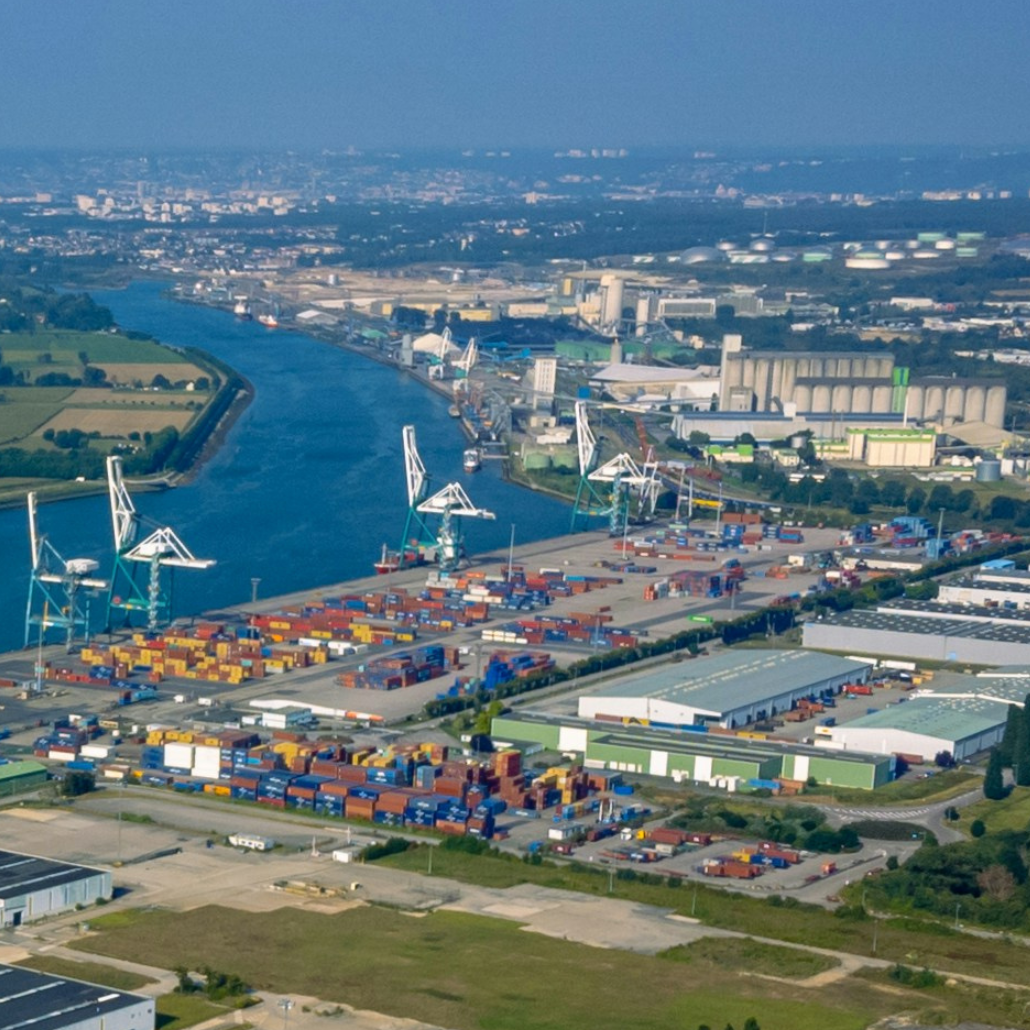
Industrial development is particularly sensitive to infrastructure constraints. Manufacturing facilities, distribution centers, and processing plants all require reliable wastewater treatment solutions to operate and expand. When centralized systems lack capacity or are too distant to connect, projects can be delayed indefinitely.
Decentralized systems provide compact, on-site or near-site treatment, giving developers greater control over planning, costs, and timelines. Their smaller footprint minimizes land dedicated to infrastructure, maximizing monetizable space for operations or leasing.
Scalability is another key advantage. During each phase of development, as wastewater demands increase, decentralized systems can expand as needed. Infrastructure investment is then aligned with actual growth, reducing upfront capital requirements.
Industrial wastewater also varies widely by application. Decentralized solutions can be tailored to specific treatment needs, enabling facilities to comply with regulations, meet sustainability goals, and maintain operational flexibility.
ENABLING COMMUNITY GROWTH
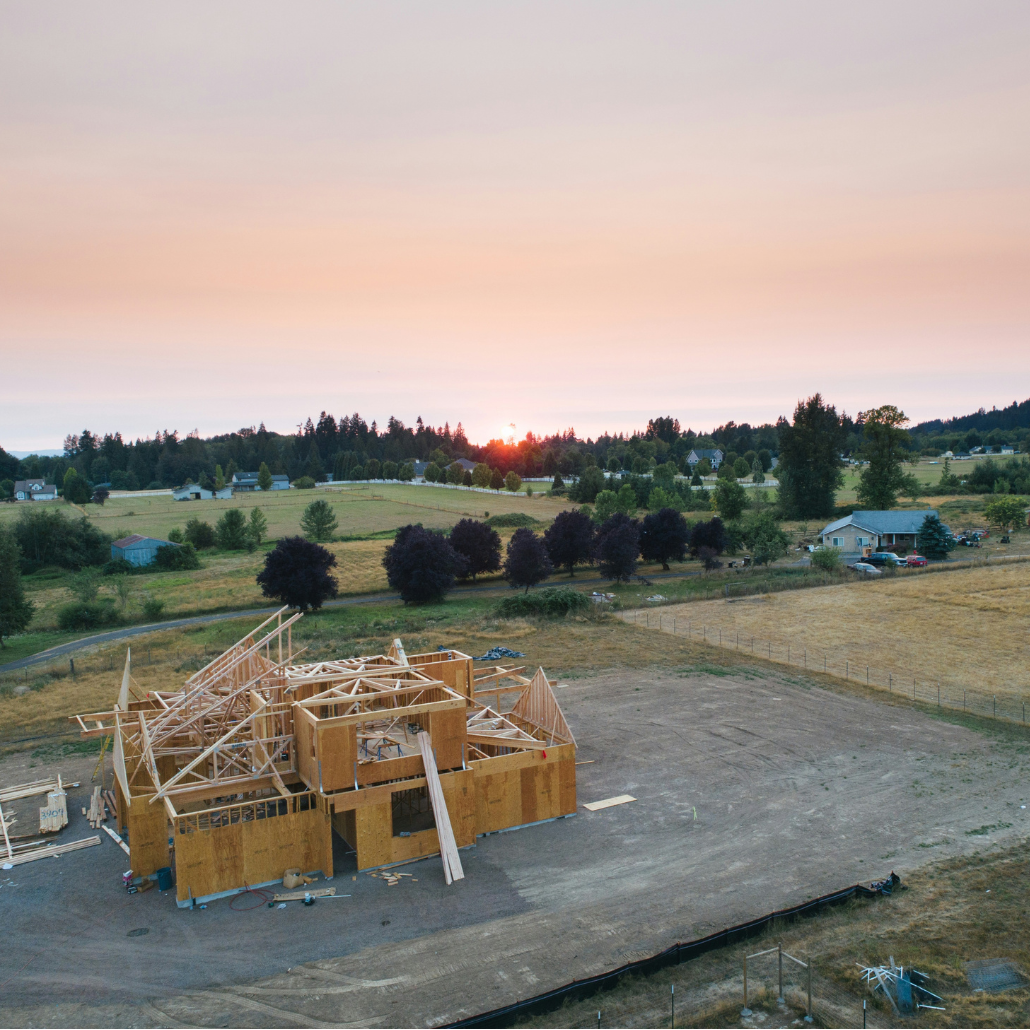
Whether building a new subdivision, expanding an existing neighborhood, or developing a temporary or “bridge” community, access to wastewater infrastructure is a critical prerequisite.
In many cases, sewer connections are either cost-prohibitive or nonexistent. Extending sewer lines over long distances can add millions in cost and introduce significant delays. Elsewhere, existing systems lack the capacity to support new connections.
Decentralized wastewater systems can unlock previously constrained locations. By eliminating the need for immediate connection to centralized infrastructure, developers can move forward with projects that would otherwise be unfeasible.
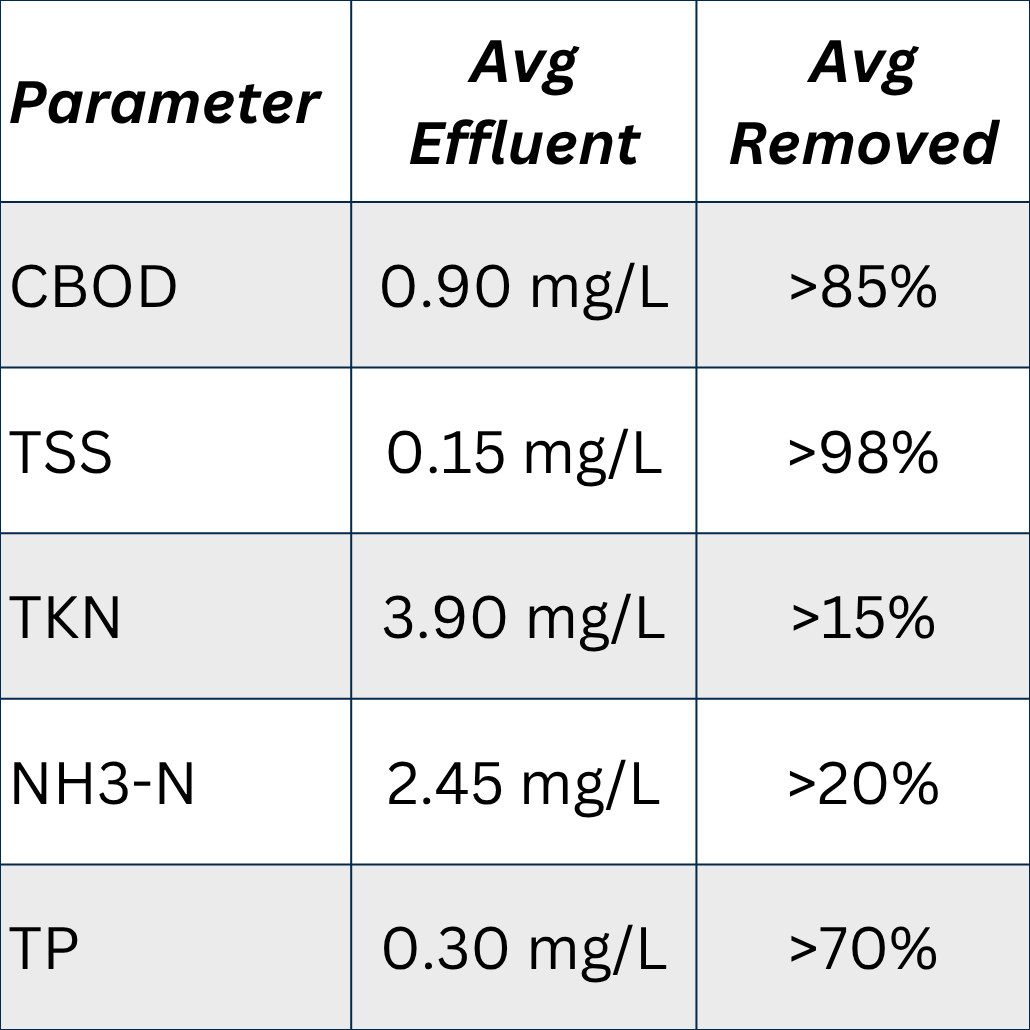
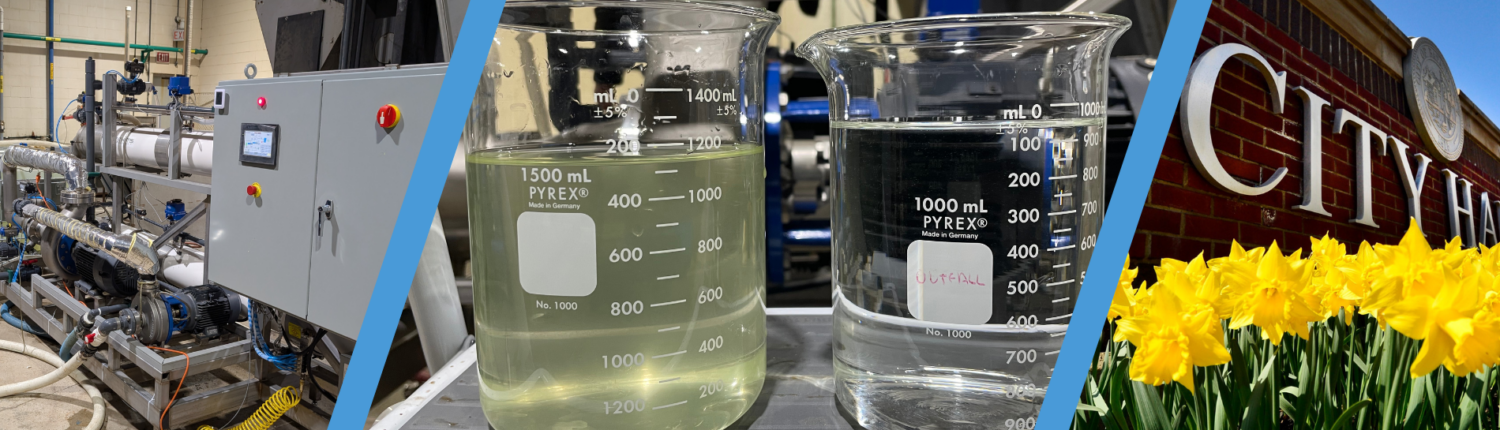
These systems can treat water to meet local regulatory requirements—or even to standards suitable for direct discharge, depending on jurisdiction. Just as importantly, they can be implemented in weeks or months rather than years, allowing developers to begin construction sooner, bring units to market faster, and generate revenue earlier.
SUPPLEMENTING MUNICPAL SYSTEMS
Municipalities face growing pressure to support development while managing aging infrastructure and limited budgets. Many centralized wastewater systems are already operating near or at capacity. Necessary expansion and updates require significant capital investment, complex approvals, and long timelines.
Supplemental decentralized systems provide a way to bridge this gap. By adding localized treatment capacity, municipalities can relieve pressure on existing infrastructure without immediately committing to large-scale upgrades.
These systems can be deployed rapidly to address specific challenges—such as underserved development areas, overwhelmed facilities, or gaps in water infrastructure. They can function as temporary solutions to enable near-term growth or as permanent components of a hybrid infrastructure strategy.
By targeting investment where it’s needed most, municipalities can improve capacity and performance without the financial and logistical burden of full system overhauls.